What an embargo is for, and when to skip one
An embargo buys editors time to do the story properly. Used badly, it just tells them you do not trust them.
- Published
- Reading time
- 2 min read
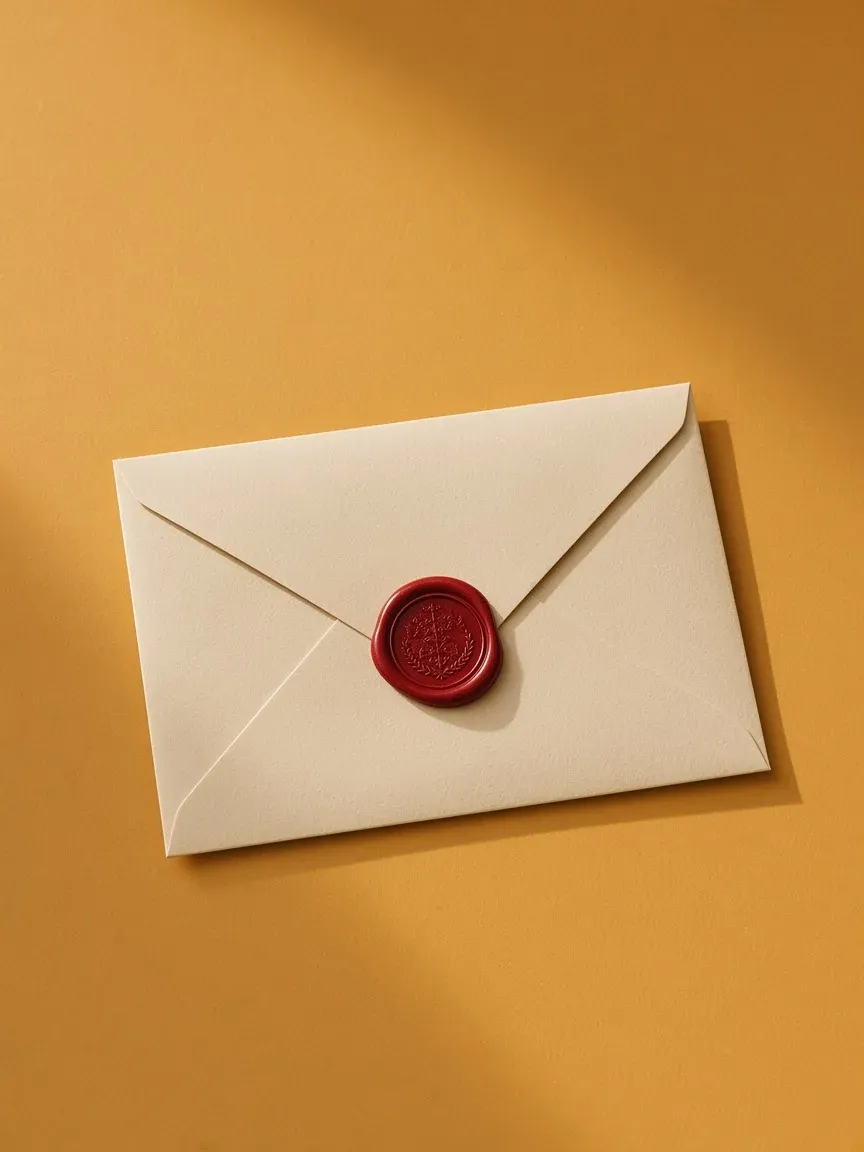
An embargo is an agreement: we tell you something early, you publish it no earlier than a time we agree. It is the oldest tool in launch PR, and the one we see misused most often.
What it is for
An embargo gives an editor time. Time to visit the workshop, to test the product, to interview the founder properly instead of over a ten minute call on launch morning. The best launch coverage we have ever placed was written over three weeks under embargo, with photographs that took a whole day to shoot.
When it works
Embargoes work when the story is genuinely better with time, when you can give every outlet the same access, and when the date is real. A shop opening, a product on sale, a collection on the runway. If the editor can check that nothing happened before the date, they will respect it.
When to skip it
If the news fits in one paragraph, an embargo only adds friction. If you are offering an exclusive to one title, you do not need one at all, you need a handshake and a date. And if you cannot say why the date matters, the editor will not see why either.
How we send one
We never send embargoed material to anyone who has not agreed to the embargo first. We ask, by phone or a short email, and only send the details once they say yes. The date and time go at the top of every page, in their time zone, and we never move the date after it has been agreed.
Breaking it
It happens, usually by accident. When it does, we lift the embargo for everyone within the hour. The worst outcome is not one early story, it is every other editor finding out they waited for nothing.
More from the journal
 , 2 min read
How to write a pitch an editor finishes
Most pitches are deleted after the subject line. Here is how we write the ones that get read to the end.
 , 2 min read
The first hour of a bad morning
When a story goes wrong, the first sixty minutes decide whether it runs once or runs for a week.
 , 2 min read
Why editors write about founders first
Products launch every week. People with a point of view are rarer, and that is what gets the long read.