Why editors write about founders first
Products launch every week. People with a point of view are rarer, and that is what gets the long read.
- Published
- Reading time
- 2 min read

Ask any features editor what they are short of and the answer is never products. It is people: someone with a story, a view and the patience to sit for a two hour interview. That is why our founder work so often lands bigger coverage than the launches around it.
A founder is not a mission statement
The first thing we do with a founder is take away the deck. What we want is the moment they decided to start, the thing they got wrong in year two and the opinion they hold that most of their industry would argue with. That is what an editor builds a profile around.
Find the sentence only they can say
Every founder in clean beauty says their products are gentle. Only one spent ten years as a cosmetic chemist and left because she thought the industry used too many ingredients. We spend our first sessions looking for that sentence, and we do not pitch until we have it.
Be useful before you are interesting
The fastest route to a profile is often a comment. We offer founders to journalists as voices on their subject, on ingredients, on craft, on running a small factory, long before we ask for a feature about them. Editors remember the person who helped them on deadline.
Choose fewer, bigger pieces
One long read in a title your customers trust is worth more than twenty mentions in round ups. We plan founder work around three or four pieces a year and give each one time: a visit, a proper interview, photographs that are not from the press kit.
Let them be themselves
The best profiles we have placed all read like the founder talking. We prepare people, but we never script them. Editors can hear a rehearsed answer from across the room.
More from the journal
 , 2 min read
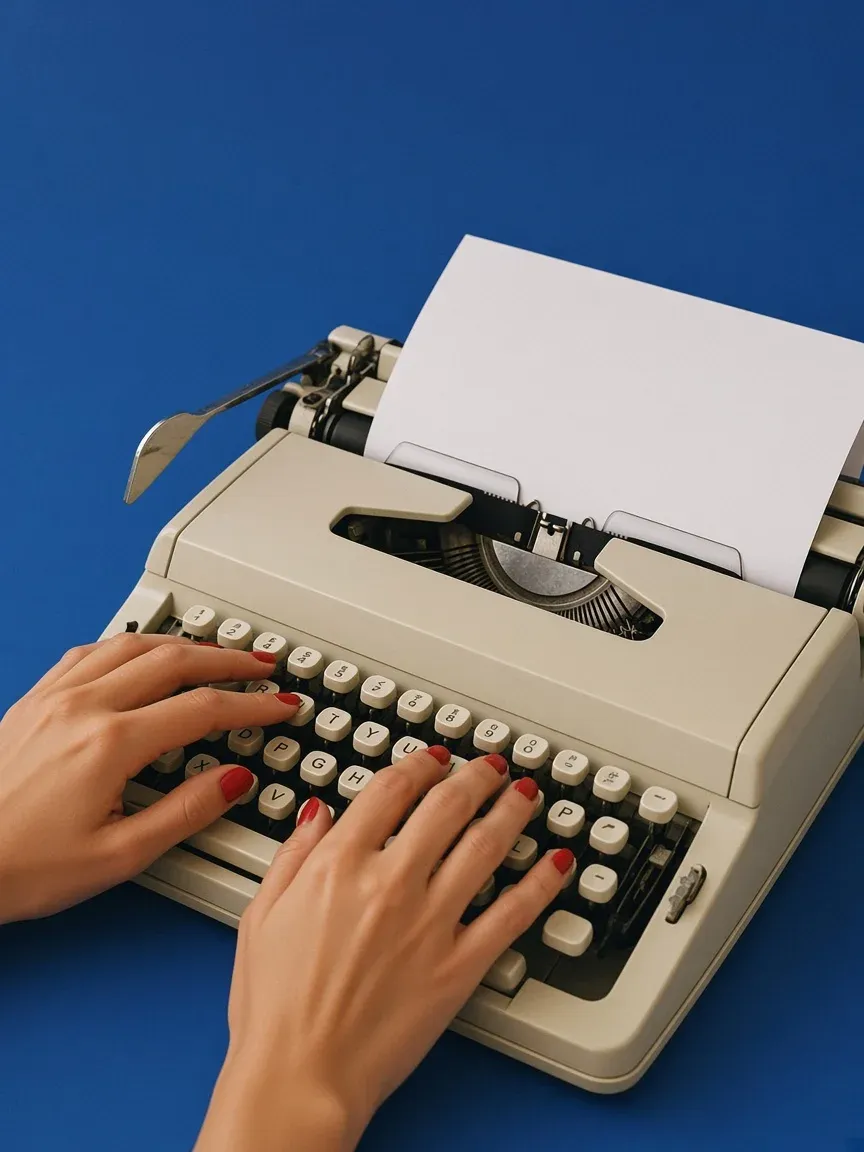
How to write a pitch an editor finishes
Most pitches are deleted after the subject line. Here is how we write the ones that get read to the end.
 , 2 min read
What an embargo is for, and when to skip one
An embargo buys editors time to do the story properly. Used badly, it just tells them you do not trust them.
 , 2 min read
The first hour of a bad morning
When a story goes wrong, the first sixty minutes decide whether it runs once or runs for a week.